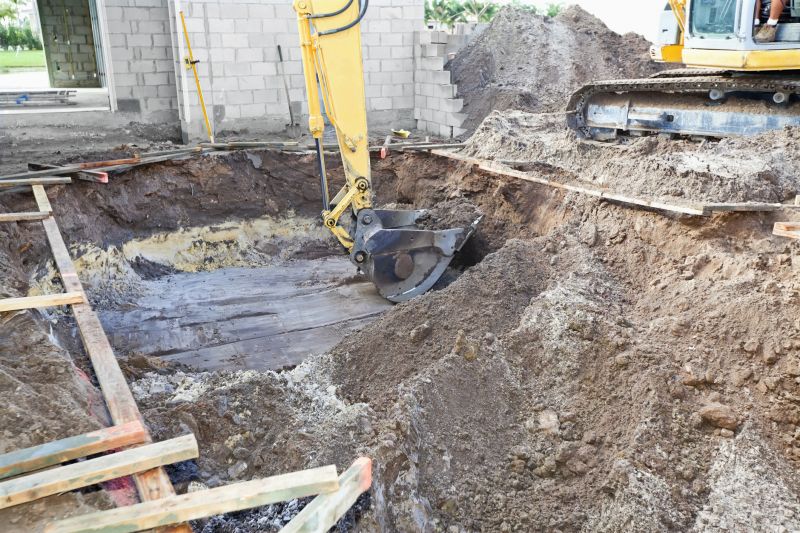
Pool Excavation in Salt Lake City, UT
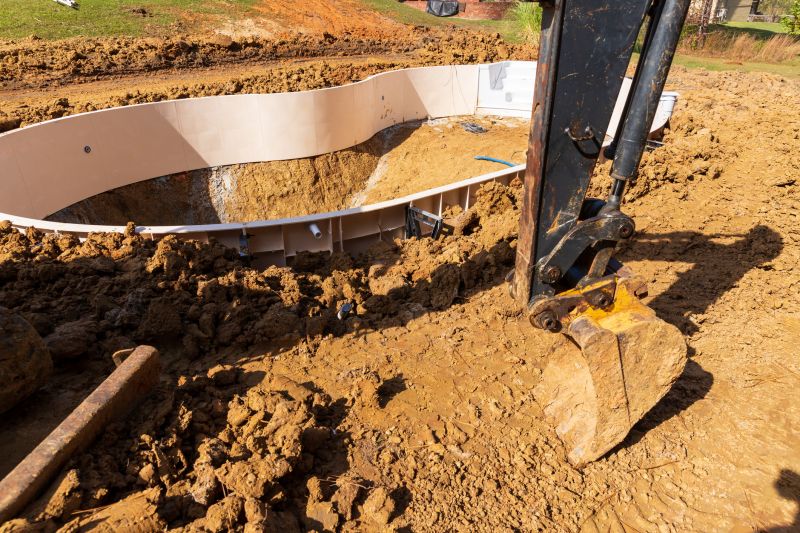
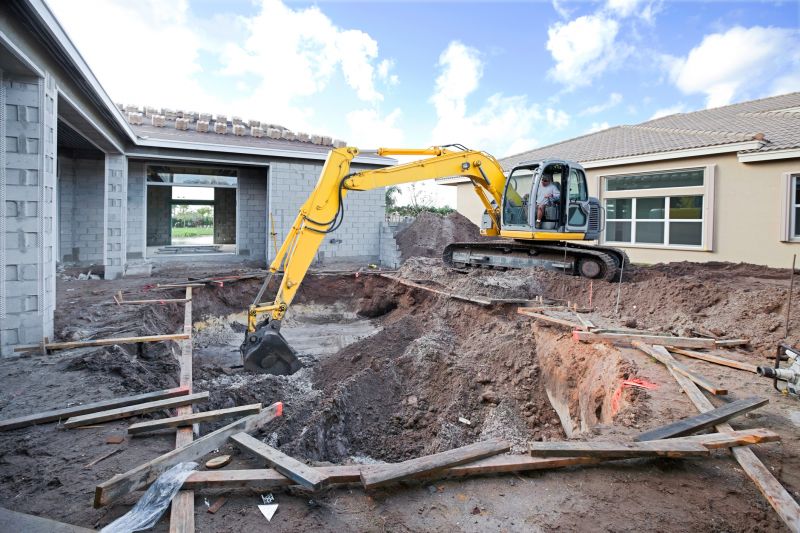
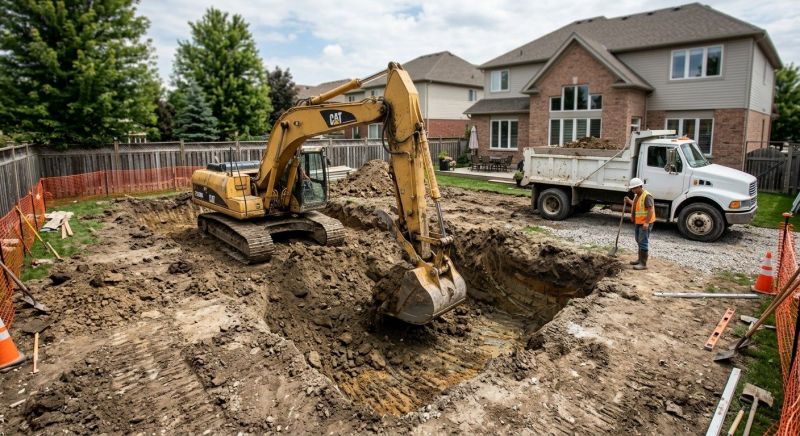
Pool excavation services involve the removal of soil and earth to prepare a property for the installation of a new swimming pool or the renovation of an existing one. This process typically includes digging the foundation, shaping the pool’s structure, and ensuring proper grading for drainage. Homeowners often request this service when planning to add a new in-ground pool, upgrade an outdated design, or address issues with an existing pool that requires significant modifications or repairs.
Before requesting pool excavation, property owners usually want to understand the scope of the project, including the size and depth of the pool, access to the site, and any potential impact on surrounding landscaping or structures. It’s also important to consider local regulations or permits that may be required for excavation work. Clear communication about these details can help ensure the project proceeds smoothly and meets the specific needs of the property.
Many property owners in Salt Lake City, UT look into Pool Excavation for repairs, replacements, upgrades, and appearance-related improvements.
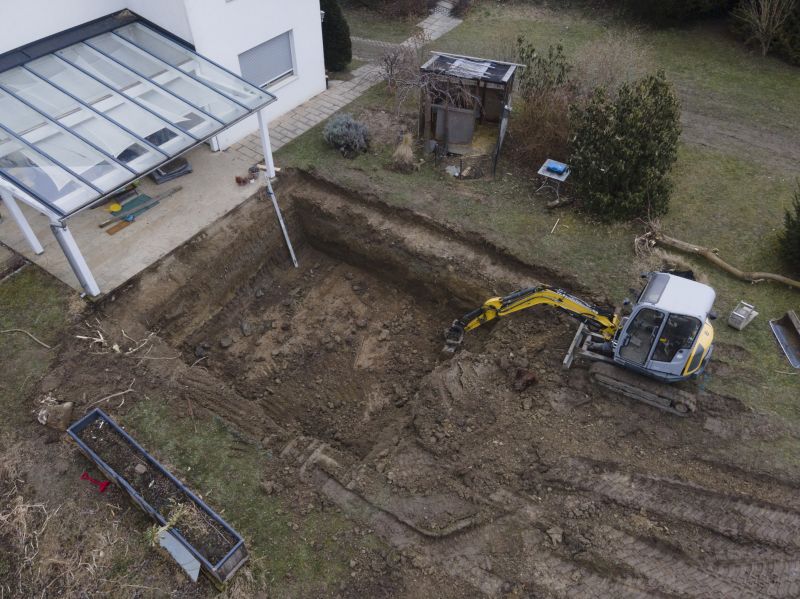
Pool Excavation Planning
Proper site assessment ensures a safe and efficient excavation process.
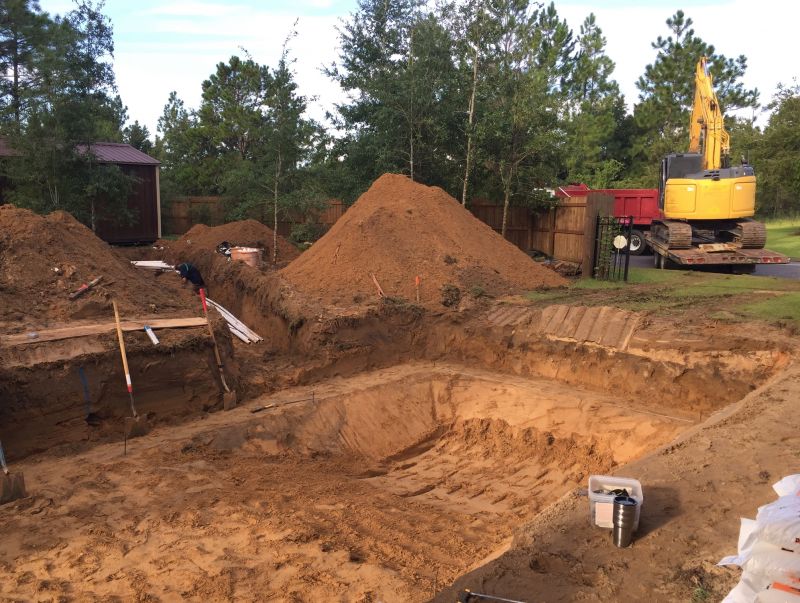
Excavation Techniques
Different methods are used to dig pools in various soil conditions around salt lake city.
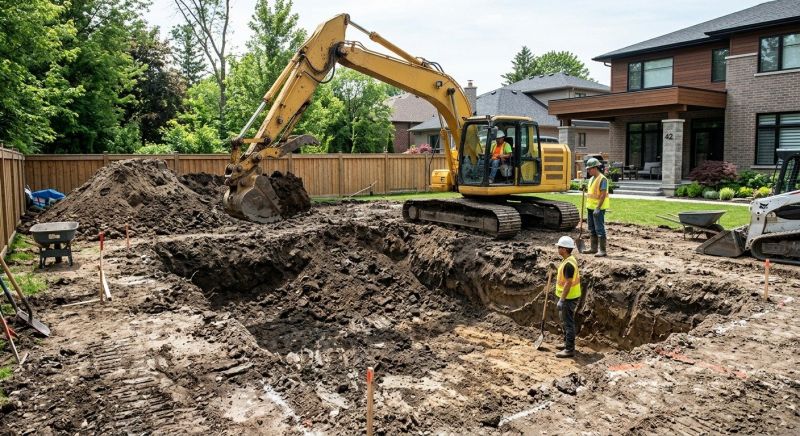
Preparation For Pool Construction
Excavation sets the foundation for smooth installation and long-term durability of the pool.
Pool Excavation in Salt Lake City, UT

Pool excavation services involve the removal of soil and earth to prepare a property for the installation of a new swimming pool or the renovation of an existing one. This process typically includes digging the foundation, shaping the pool’s structure, and ensuring proper grading for drainage. Homeowners often request this service when planning to add a new in-ground pool, upgrade an outdated design, or address issues with an existing pool that requires significant modifications or repairs.
Before requesting pool excavation, property owners usually want to understand the scope of the project, including the size and depth of the pool, access to the site, and any potential impact on surrounding landscaping or structures. It’s also important to consider local regulations or permits that may be required for excavation work. Clear communication about these details can help ensure the project proceeds smoothly and meets the specific needs of the property.
Many property owners in Salt Lake City, UT look into Pool Excavation for repairs, replacements, upgrades, and appearance-related improvements.
Common Pool Excavation Jobs
Pool excavation - prepares the site by removing soil to create a level area for a new pool.
In-ground pool demolition - involves removing existing pools to make space for new installations.
Site clearing and grading - ensures proper drainage and a stable foundation for pool construction.
Debris removal and soil disposal - safely removes excavated material from the property.
Landscape prep for pool installation - readies the yard by leveling and shaping the area around the pool site.
Pool removal and fill-in services - fills in old or abandoned pools to restore the landscape.
Pool Excavation Questions
What is involved in pool excavation? Pool excavation involves digging the area where the pool will be installed, shaping the site to match the pool design, and preparing the ground for construction.
Can excavation services handle different pool types? Yes, excavation services can accommodate various pool types, including in-ground concrete, vinyl liner, and fiberglass pools.
What should property owners consider before excavation? It's important to evaluate the property’s terrain, access points, and any underground utilities before beginning excavation work.
Is permit approval necessary for pool excavation? Permits are often required to ensure the work complies with local building codes and regulations before excavation begins.
Request Pool Excavation in Salt Lake City, UT
Use the quote form on this page to share the basics of your project and request more information for the type of work you need.